Scott Barghaan

Executive, advisor, and educator on leadership and how organizations adopt new ideas in an AI-integrated world.

  • -25+ years leading Fortune 500 organizations through significant change.
  • -Most recently, led a 275-person organization at Salesforce focused on reshaping how 25,000 customer-facing employees work. Re-thought business processes to infuse AI, built AI-native products now generally available, and led change management across 81 countries.
  • -Today, Adjunct Professor at Kellogg School of Management and Board Advisor to AI startups backed by Andreessen Horowitz & Bessemer Venture Partners.
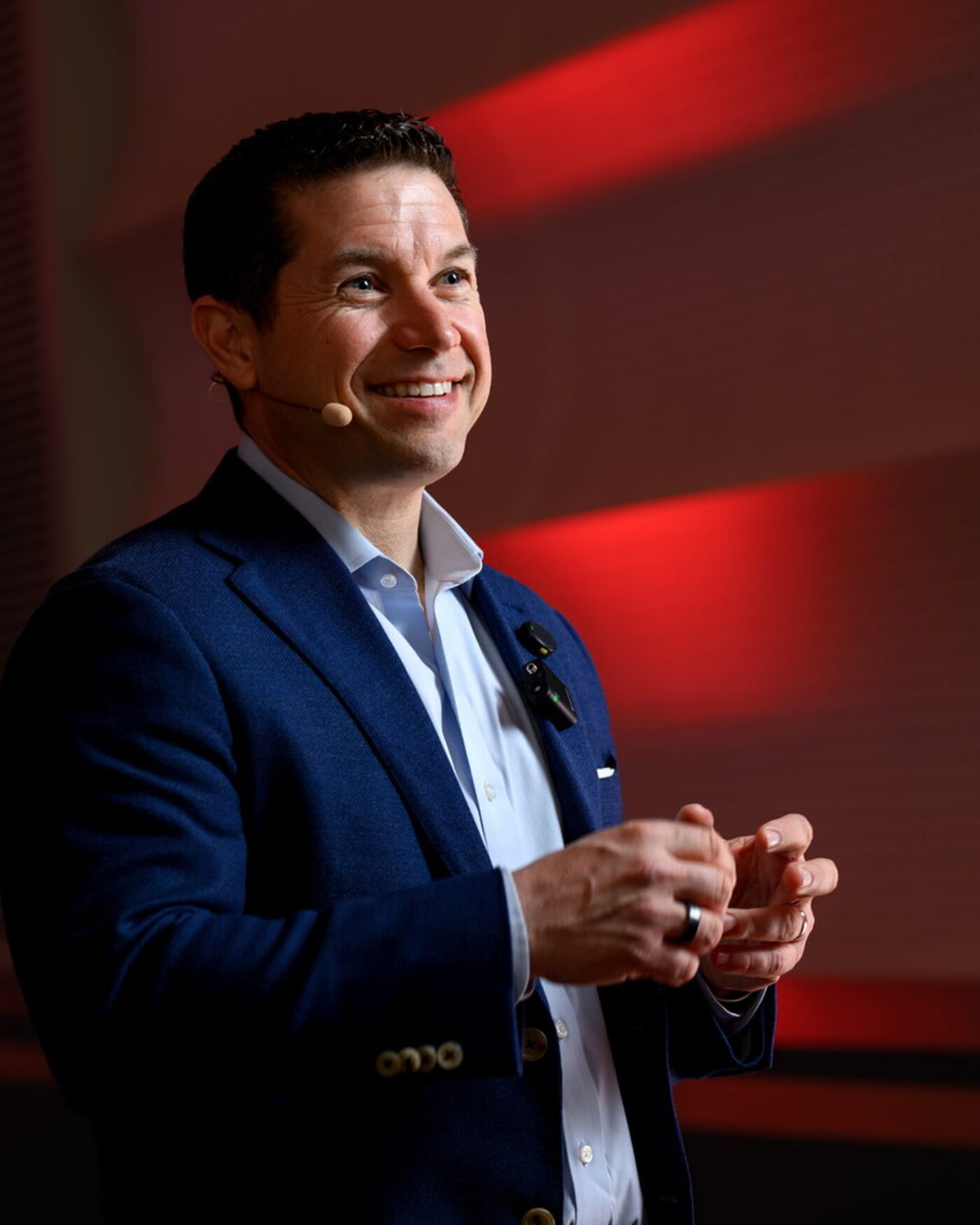
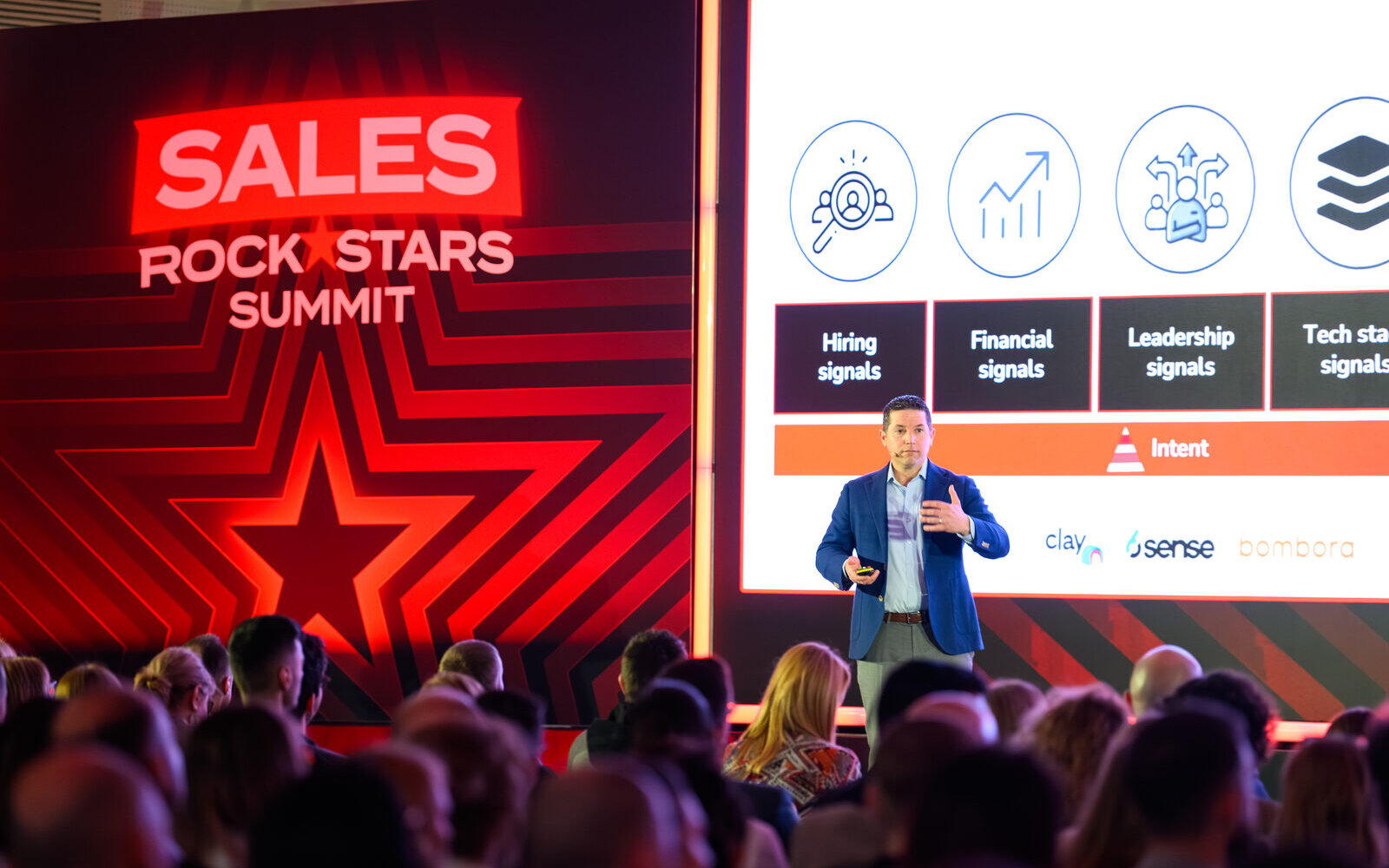
Scott Barghaan, keynote at Brand Minds Sales Rockstars Summit, Bucharest, March 2026
Leadership in the Age of AI

25 years leading teams through significant change.

AI is the latest major shift, not the first one. The same questions show up every time: how do leaders bring new tools into the work without losing trust, quality, or the people doing the work? Scott has spent his career on that question, across three eras.

275

Person team built at Salesforce, spanning research, design, product, software, and change management

25,000

Customer-facing employees led through AI change management at Salesforce, across 81 countries, from skepticism to new methods of work

14

Years in management consulting and enterprise services at EMC, leading large-scale change for Fortune 200 clients

BA

Leadership Studies, University of Richmond (Jepson School). Where the throughline started.

Today

Advising and teaching the next wave.

Board advisor to AI-first startups backed by Bessemer Venture Partners and Andreessen Horowitz, helping founders bring AI into how they ship software and engage customers. Adjunct Professor at Kellogg School of Management, where the work focuses on how organizations adopt new ideas, how consensus forms in complex environments, and how AI changes what leaders are asked to do.

Salesforce, A Decade

Process-based change at scale.

Senior Vice President of Global Seller Experience. Built and led a 275-person team that reshaped how 25,000 customer-facing employees work. Re-thought business processes to infuse AI, built AI-native products now generally available to Salesforce customers worldwide, and led change management across 81 countries. Earlier, founded the $480M Travel, Transportation and Hospitality vertical. The work was process-based at its core: leading people through significant digital and customer experience change.

EMC, 14 Years

Management consulting on complex change.

EMC Global Services and senior enterprise leadership roles. Led business and management consulting projects for Fortune 200 organizations across financial services, healthcare, and telecommunications. Industry-specific and horizontal change programs. The foundation: how organizations and people work through complex change, regardless of the technology driving it.

Patterns That Travel

How I think about AI in leadership work.

When leaders ask where to start with AI, my answer is the same whether they run a sales team, a compliance function, a research group, or a regulatory body. Sort the work into three categories. Decide what AI owns, what AI assists, and what stays human. The model travels across disciplines because the underlying question does.

01 - AI Ownership

Automate

Repetitive, low-judgment work. AI owns it. You don't touch it.

Across disciplines: scheduling, first-draft writing, meeting summaries, system updates, routine status reports, document classification.

02 - AI Assistance

Accelerate

Research, synthesis, preparation. AI assists. You decide with your judgment.

Across disciplines: regulatory analysis, scenario modeling, briefing prep, pattern detection in data, stress-testing a recommendation before you present it.

03 - Human Ownership

Elevate

Relationship, trust, judgment calls. Human only.

Across disciplines: reading the room, building trust with stakeholders, deciding when to escalate, walking away from a recommendation that does not feel right.

Where adoption stalls

Five gaps I see most often.

None are technical.

01
Fluency

Leaders default to one-shot prompts because they do not know what AI can actually do.

02
Data sprawl

AI is blind without context, and most teams' data lives in too many places to give it any.

03
Unclear goals

Teams jump in without an outcome in mind. Output gets judged at the end, not against a pre-set bar. Slop in, slop out.

04
No baseline

Hard to call AI "better" without knowing where you started. Most adoption efforts skip this step.

05
Delegation drift

Two ways to fail here. Leaders either will not let AI run without watching every step, or they set it loose and never check back. Both produce poor results.

All five share a pattern. AI succeeds when leaders treat it like a new team member. Clear plan, regular check-ins, course correction. Same discipline. Bigger scale.

"

AI gives you speed and depth. You still own the outcome. Trust is irrevocably human.

Recurring theme across Brand Minds Bucharest, Promptly Speaking, and Kellogg Spring 2026.

Why this matters for regulated, risk-aware work.

The hardest part of leading AI adoption in a regulated environment is not the technology. It is the conviction to draw the lines clearly. Which decisions are AI-owned? Which require human judgment with AI as a research partner? Which must never be automated, regardless of how confident the model sounds?

Leaders who answer those questions for their teams reduce both the risk of overreach and the risk of underuse. That is the work I focus on when I am in front of leadership audiences.

Speaking Themes

Three lenses I bring to leadership audiences.

Each theme draws on 25 years of operating experience and the patterns I see in advising AI-first companies today. All are designed to leave leaders with practical structures they can apply in their own organizations.

Theme 01

AI and the Future of Leadership Work

AI is changing what leaders are asked to do, not just what their teams are asked to do. The shift is from leading work to leading judgment about work. Drawing on 25 years inside iconic technology companies, I show leaders how to set the lines between AI-owned, AI-assisted, and human-only work.

Leaders leave with:
  • -A model for sorting work into Automate, Accelerate, and Elevate
  • -Specific examples of how this plays in regulated, risk-aware functions
  • -A way to prepare their teams for AI adoption without losing trust or quality
Theme 02

Stakeholder-Centric Decision Making

Modern decisions inside large organizations are made by groups of 6 to 22 people, where one no can stop everything. Drawing on lessons from working inside enterprise buying committees, I show leaders how consensus actually forms, where it stalls, and how to design decisions that move forward without losing the people who need to sign on.

Leaders leave with:
  • -A way to map the people whose buy-in actually matters
  • -Stories on how consensus builds and where it breaks
  • -Specific tactics to make every stakeholder see their own win
Theme 03

Aligning Functions Through Shared Data

Most organizational friction is not about people. It is about data that does not travel between functions. Drawing on lessons from Salesforce's multi-year sales rebuild, I show leaders how disciplined data practices reduce friction, build trust, and turn fragmented information into shared insight that teams can act on.

Leaders leave with:
  • -A way to spot where data fragmentation is costing them
  • -Patterns from Salesforce's Project Lotus rebuild
  • -A short list of joint cadences and shared metrics that change behavior
Sample Content

Recent stages and conversations.

Four recent venues where I have brought these themes to leaders. Each is linked to source material.

Scott on stage at Brand Minds Sales Rockstars Summit with signals model slide
Brand Minds Sales Rockstars Summit
March 25, 2026 - Bucharest

AI and the Future of Sales

Half-day workshop for senior commercial leaders. Four tactics organized around AI as a teammate: who to call, how to earn the meeting, how to run great discovery, how to execute and close. Built around live AI exercises on participants' own businesses.

Lower the burden so you can raise your game.
International audience. Models shown: Automate / Accelerate / Elevate, AI as a Teammate, the four-part ICP outline.
01
Automate
02
Accelerate
03
Elevate
Kellogg School of Management
Spring 2026

Everyday AI: Mistakes and Hot Takes

Final class of the quarter. Three hot takes on how AI changes leadership and go-to-market work, paired with live demos: a custom GPT trained on your LinkedIn, AI-powered follow-up assistants, and conversation intelligence as game film for teams.

AI is the thinking partner. You are the thought leader.
MBA and Exec Ed audience. Models shown: Automate / Accelerate / Elevate, the Four Founder Archetypes, Conversation Intelligence as feedback loop.
01
Patterns
02
Proof
03
Partnership
Kellogg Entrepreneurial Selling
April 2026

Patterns, Proof, Partnership

Guest lecture for the MBA Entrepreneurial Selling program. Three tests applied as an advisor and investor when evaluating founders, used as a diagnostic for any leader trying to scale a repeatable motion in their own organization.

One customer is a story. Three is a pattern. Ten is a motion worth funding.
MBA audience. Models shown: Four Founder Archetypes, Patterns/Proof/Partnership, The Four Questions diagnostic.
Promptly Speaking
AI in Sales
Episode with Scott Barghaan
Promptly Speaking Podcast
December 2025

AI in Sales: Why Relationships Matter More Than Automation

Long-form conversation with Dan and Sarah Roberts on three patterns shaping modern decision making: how buyers move through 55-70% of their process before talking to a seller, where AI helps with prep versus where it sets sellers up to disappoint, and how the best sellers recruit a champion to advocate across the 21 rooms they will never see.

Three hours to fifteen minutes. Spend the other twelve wrestling with what AI gave you.
Watch on YouTube ->
Speaking Formats

Four ways I show up.

Each format can be tailored to your audience, with content drawn from the themes above. Pricing and logistics are handled directly.

Virtual Keynote

30 - 60 MIN

A focused, story-driven session for distributed audiences. Calibrated to land on a phone or laptop without losing pace. Ideal for opening or closing virtual leadership events.

Half-Day Workshop

3 - 4 HOURS

Interactive session built around live AI exercises on participants' actual work. Leaders leave with practical tools they have used, not just heard about. Recent example: Brand Minds Bucharest.

Full-Day Intensive

6 - 7 HOURS

Deep skill build for a single cohort. Combines stories, structures, hands-on exercises, and a take-home toolkit. Best for leadership cohorts where applied learning matters more than survey-level exposure.

Panel or Fireside Chat

30 - 45 MIN

Moderated conversation on AI, leadership, or commercial change. Practitioner stories and frank perspective. Good for executive forums or mixed-audience events where multiple voices matter.

What's Next

Designing Selling Systems.

A new MBA course at Kellogg, co-developed and co-taught with Craig Wortmann. Launches Fall 2026.

The course closes the gap between messy, founder-led selling and a system that compounds. Students work through the full motion: ICP to pipeline, discovery to close, value realization to org design. The throughline is a model for distinguishing what AI should automate, where it should accelerate, and where human judgment must remain central.

The course curriculum and the leadership advisory work travel together.

Contact

Let's talk.

Full Biography

Need a longer form for a program or event?

View the full biography ->
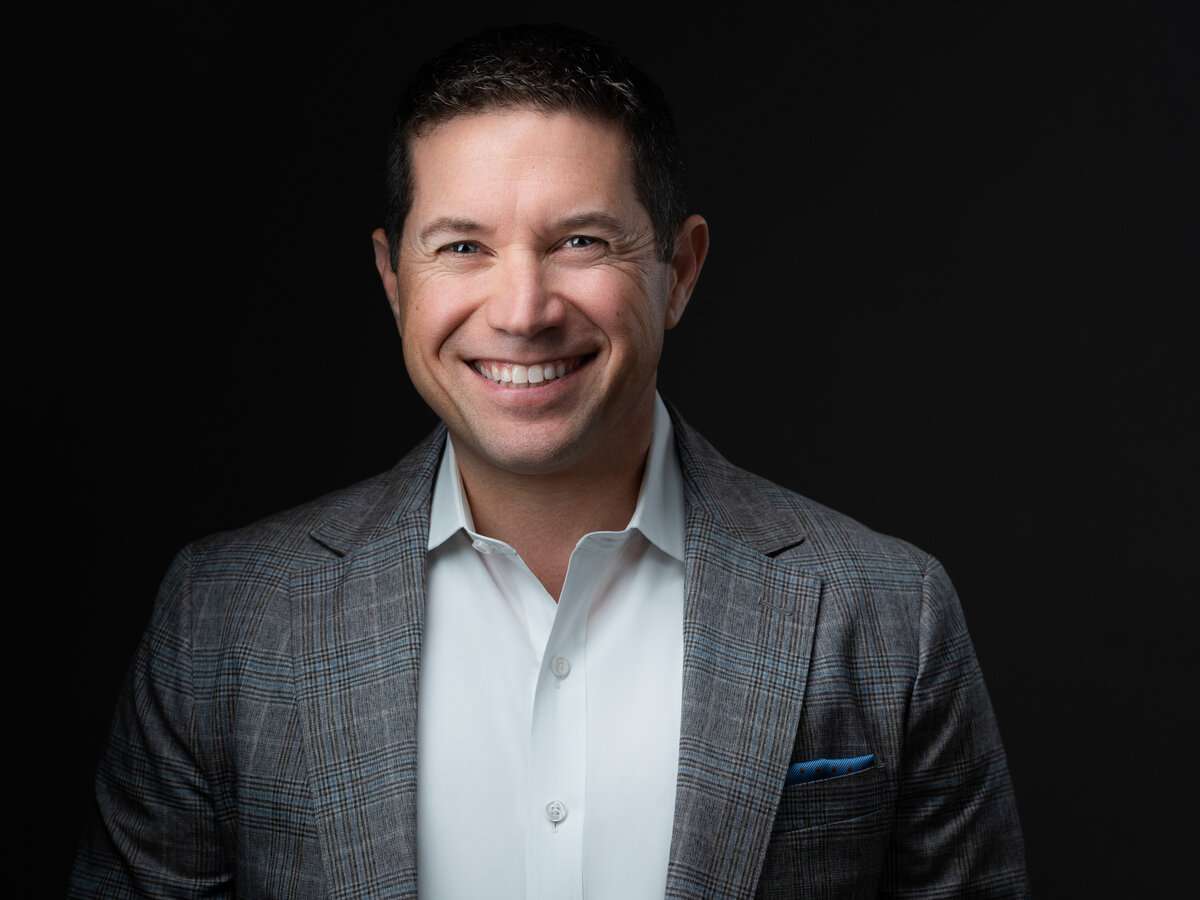
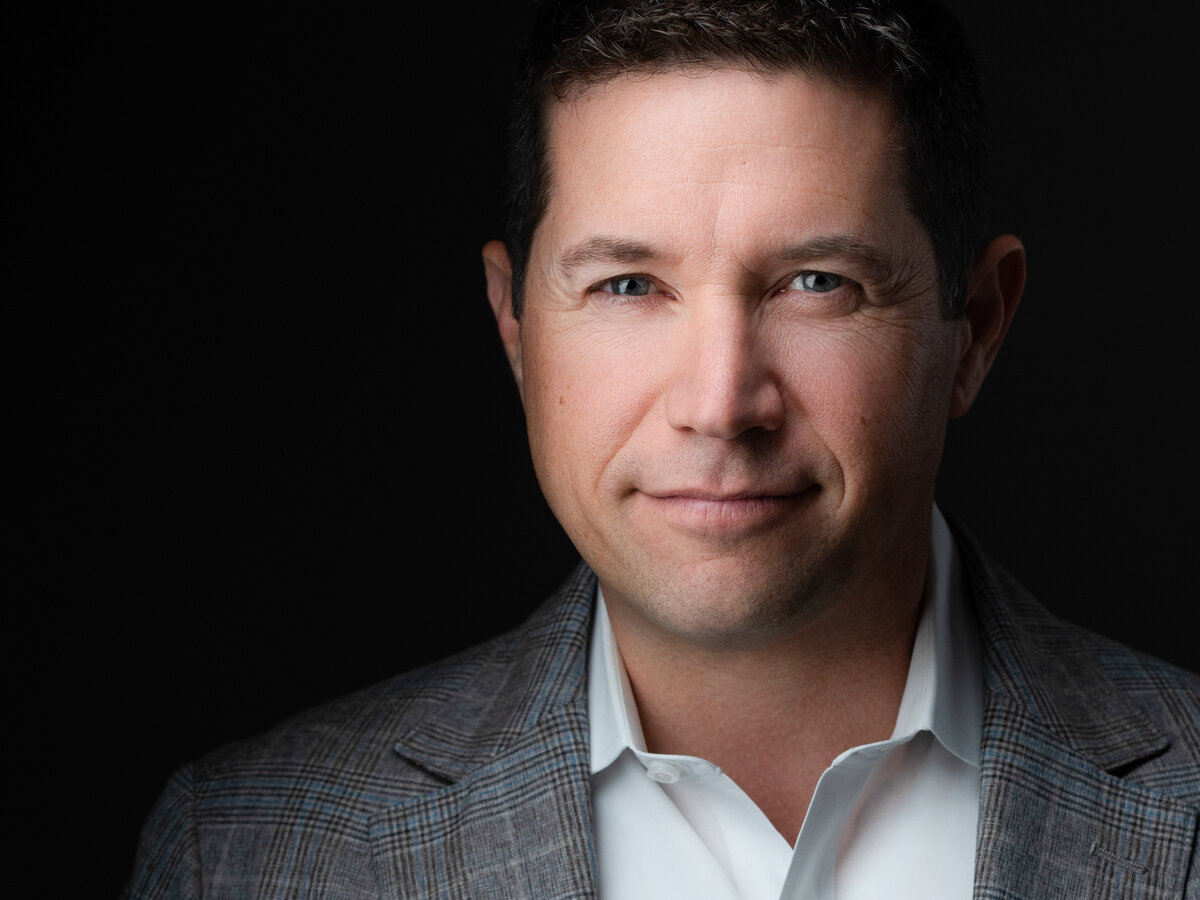
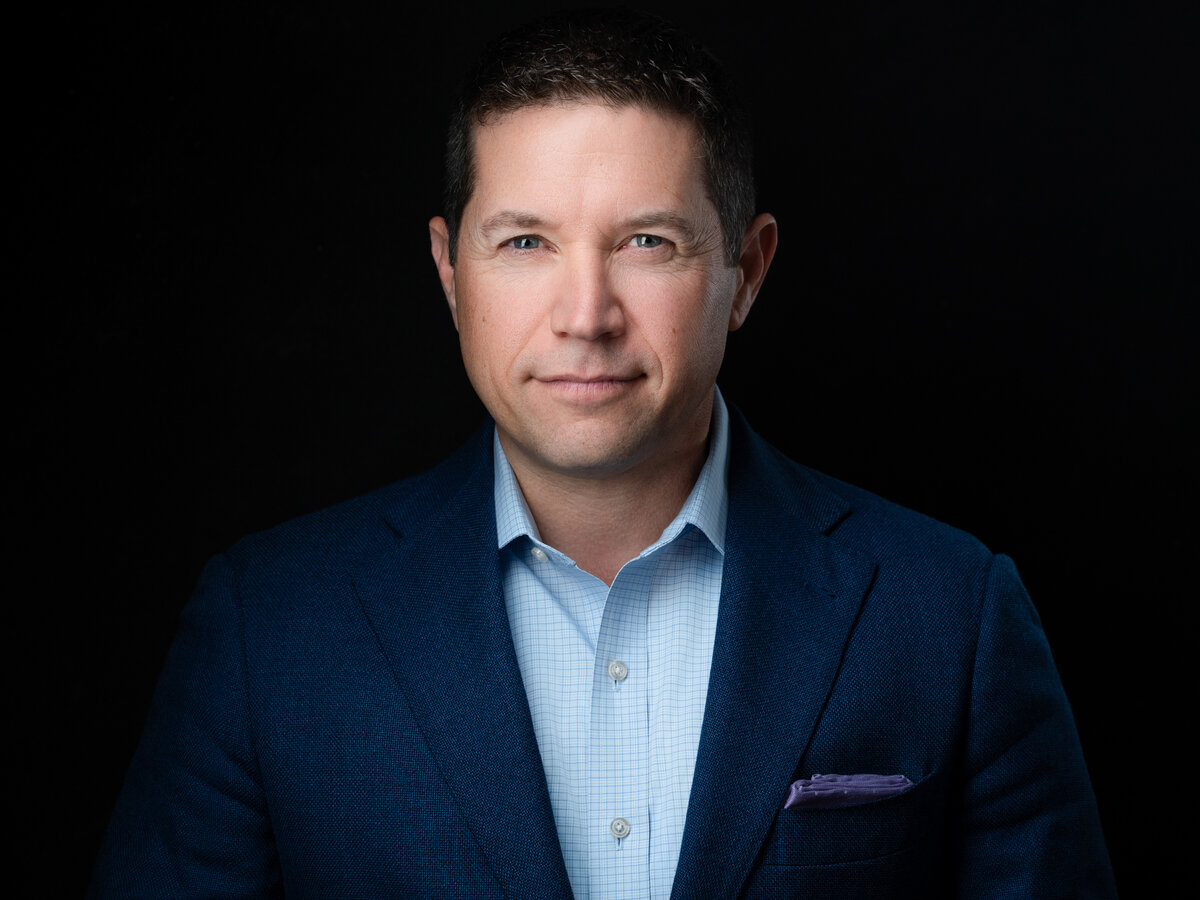
Approved Headshots

Click any photo to download print-ready files.